Augmented Reality Interfaces for Astronaut EVA Missions
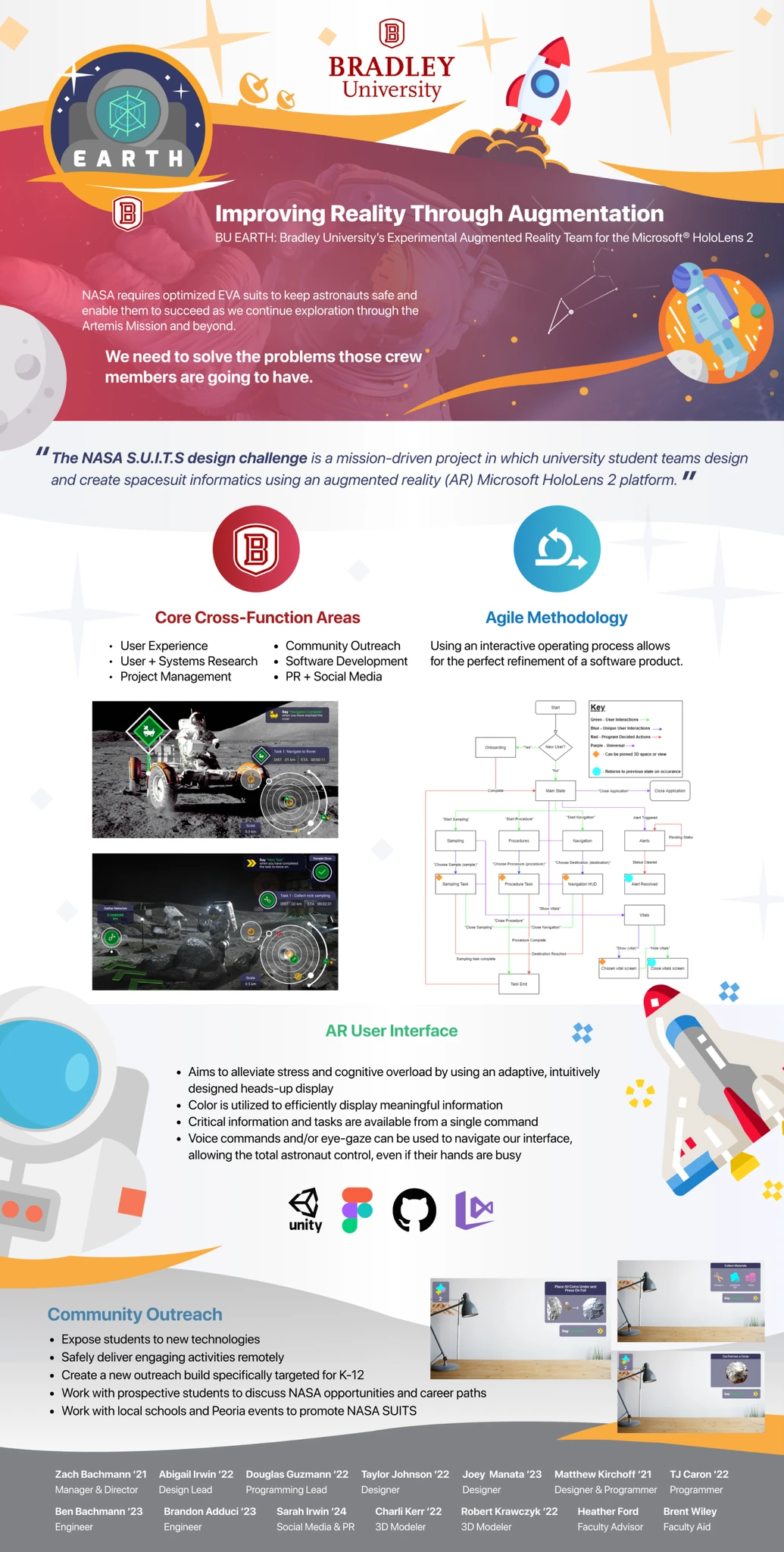
NASA SUITS Design Challenge Finalist — Top 10 Team.
Project Scope
Context
This project was developed for the 2020-2021 NASA SUITS (Spacesuit User Interface Technologies for Students) Design Challenge. The challenge asked university teams to design augmented-reality interfaces that assist astronauts during extravehicular activities (EVAs). Using head-mounted displays such as the Microsoft HoloLens, teams explored how mission instructions, navigation guidance, and suit telemetry could be presented directly within an astronaut’s field of view.
Problem
Astronauts conducting EVAs must manage navigation, suit telemetry, and complex mission procedures simultaneously while operating in hazardous environments. Traditional workflows often rely on printed checklists and communication with mission control, which can interrupt task flow and increase cognitive load.
Constraints
Interface designed for a head-mounted augmented reality display.
Limited visual space within an astronaut’s field of view.
Information must remain readable during physically demanding tasks.
Interactions must work while wearing pressurized spacesuit gloves.
Goals
Reduce cognitive load during EVA operations.
Provide astronauts with clear navigation guidance.
Surface mission procedures directly within the astronaut’s field of view.
Display suit telemetry and system alerts without obstructing environmental awareness.
My Responsibilities
Contributed to the design of an augmented-reality interface developed for the 2020–2021 NASA SUITS (Spacesuit User Interface Technologies for Students) Design Challenge. Collaborated with a multidisciplinary team of designers, programmers, and engineers to define how astronauts could interact with mission information during extravehicular activities.
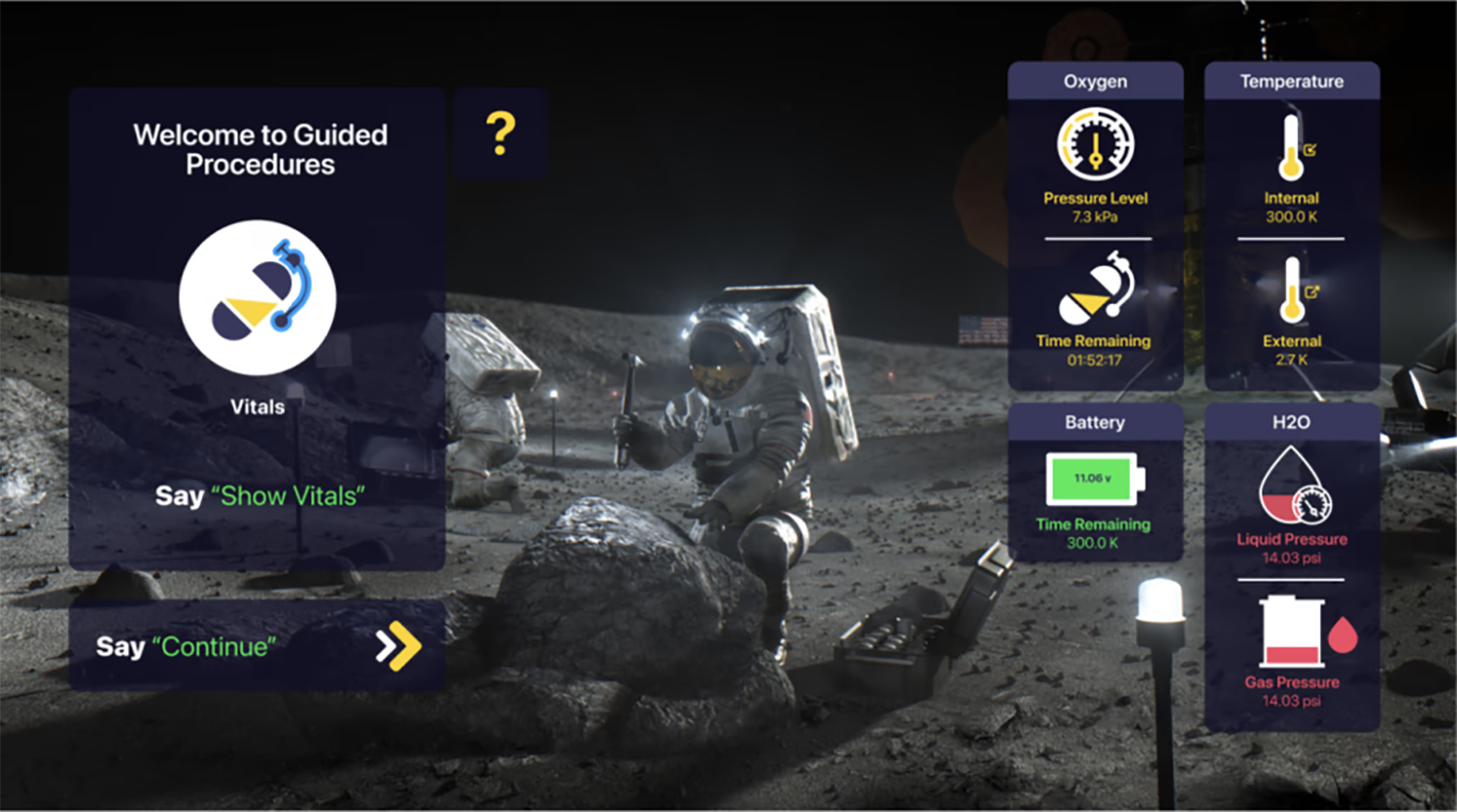
Designed space-specific interface components for the Microsoft HoloLens platform that supported astronaut navigation, mission procedures, and real-time spacesuit telemetry. These interfaces were created to remain readable and actionable within the limited field of view of a helmet-mounted display.
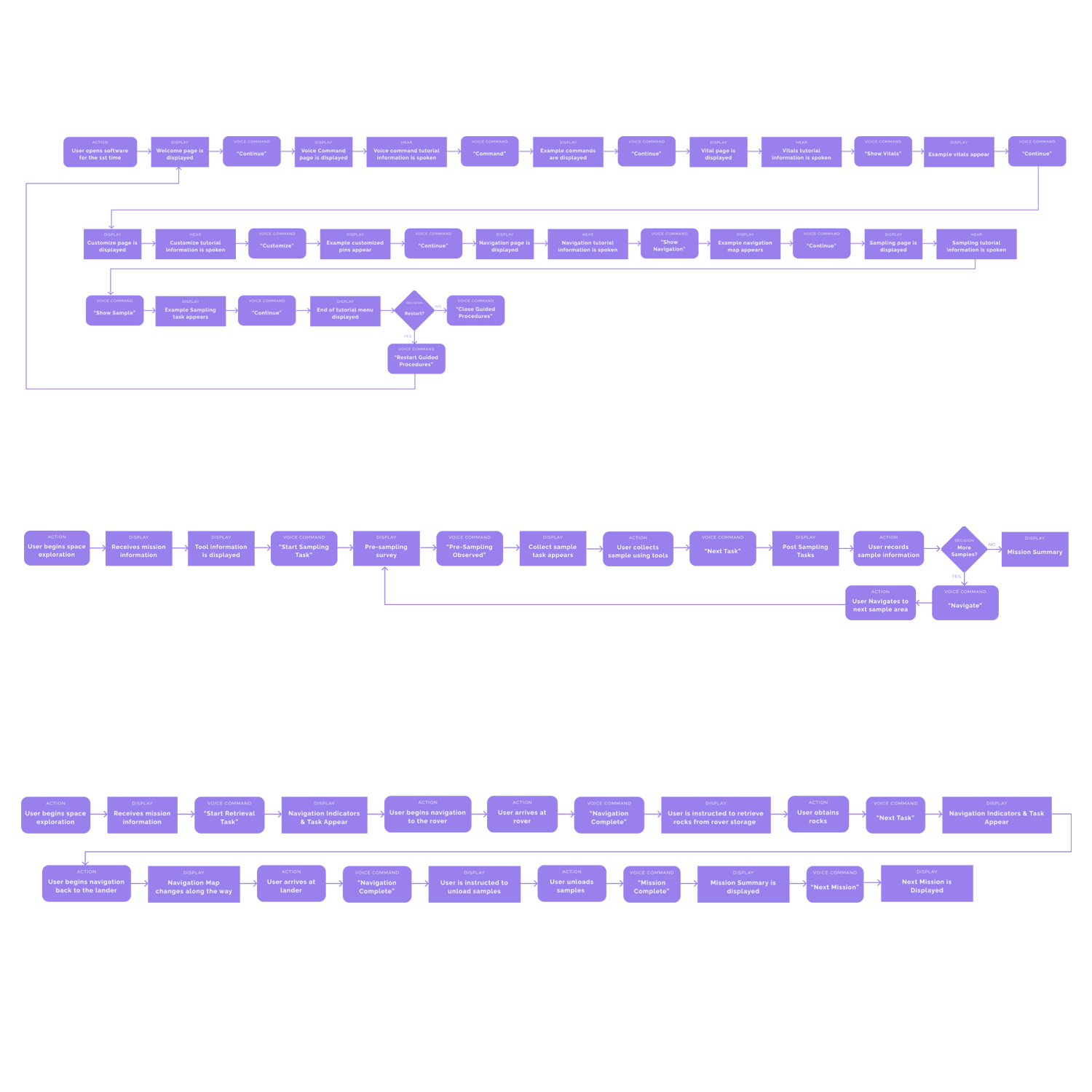
Developed user journey maps and interaction flows illustrating how astronauts would navigate lunar terrain, track science sampling tasks, and monitor system health while interacting with the augmented-reality interface during EVA operations.
The Result
The final concept explored how augmented-reality interfaces could support astronauts during extravehicular activities by surfacing mission guidance, navigation cues, and suit telemetry directly within a heads-up display.
The project was presented as part of the NASA SUITS Design Challenge, where the team’s solution placed in the Top 10 among participating university teams. The experience demonstrated how user-centered design principles can be applied to complex operational environments such as space exploration.
Research
Research began with analyzing astronaut workflows during extravehicular activities and studying how mission instructions are currently delivered during spacewalks. Astronauts often rely on detailed procedural checklists and communication with mission control to safely complete mission tasks.
Additional research explored how augmented-reality systems such as the Microsoft HoloLens could surface mission information directly within the astronaut’s field of view. This approach has the potential to reduce the need for external references and allow astronauts to access guidance while maintaining awareness of their surroundings.
These insights informed an interface strategy that prioritized persistent navigation cues, simplified task tracking, and quick access to suit telemetry during mission operations.
The Design Strategy
The design focused on translating complex mission data into a clear augmented-reality interface that astronauts could reference during extravehicular activities. Because the display existed within a helmet-mounted system, the layout prioritized readability and situational awareness.
Navigation cues, mission objectives, and spacesuit telemetry were organized into a heads-up display that kept critical information visible without obstructing the astronaut’s environment. Strong visual hierarchy and simplified interaction patterns ensured information could be quickly understood within the limited field of view of the Microsoft HoloLens.
Testing
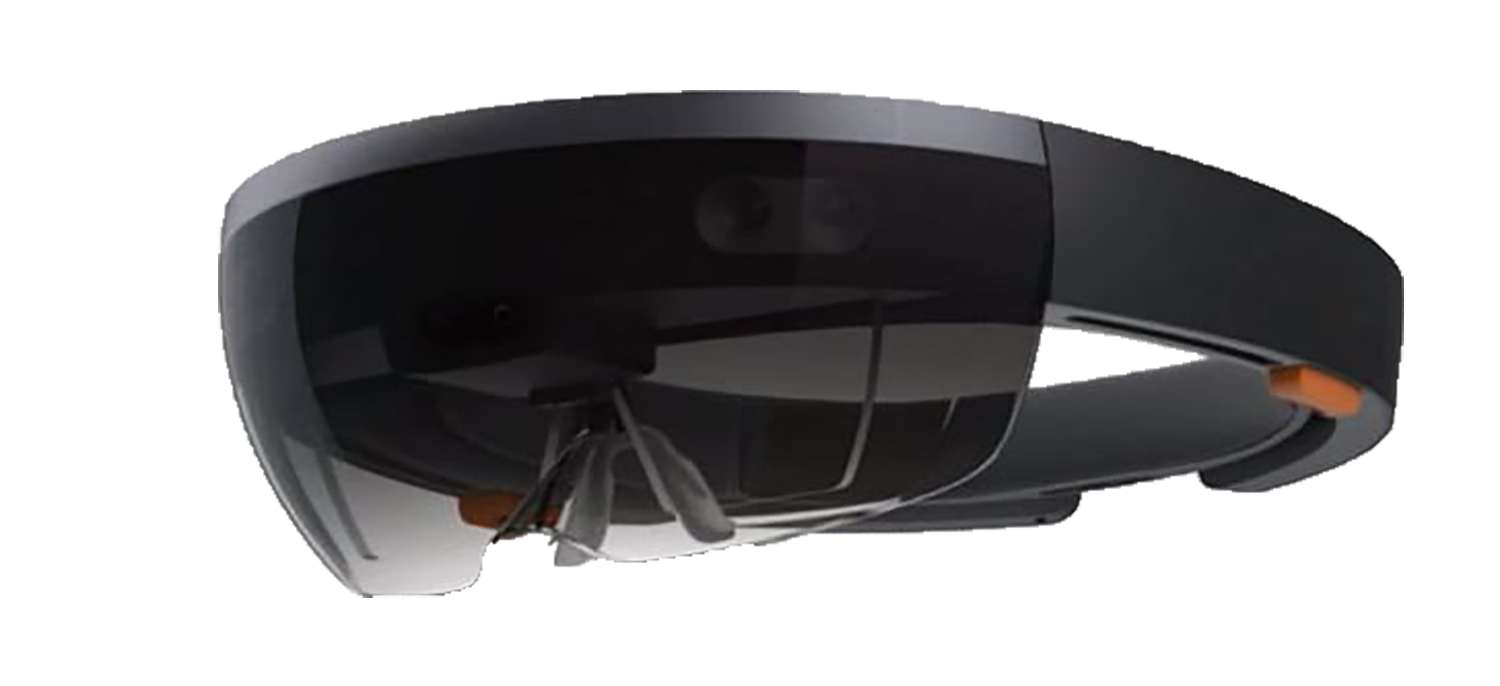
The interface concepts were evaluated during the NASA SUITS testing sessions, where astronauts interacted with the system using the Microsoft HoloLens. This testing environment allowed teams to observe how augmented-reality interfaces performed within simulated extravehicular activity scenarios.
These sessions provided valuable insight into how information hierarchy, navigation cues, and telemetry displays were interpreted by users operating in mission-like conditions. Observing astronaut interactions helped validate design decisions around readability, interface placement, and the balance between critical information and environmental awareness.
Mission Scenario
The interface was designed to support astronauts performing extravehicular activities during future lunar exploration missions. While navigating the lunar surface, astronauts must simultaneously track mission objectives, monitor suit systems, and maintain awareness of environmental hazards.
The augmented-reality interface surfaces navigation guidance, procedural steps, and suit telemetry directly within the astronaut’s field of view. By integrating this information into a heads-up display, astronauts can access mission guidance without relying on external documentation or breaking focus from their environment.
Key Take Aways
Designing interfaces for space exploration environments reinforced the importance of minimizing cognitive load while surfacing mission-critical information. Astronauts performing extravehicular activities must monitor navigation, suit telemetry, and mission procedures simultaneously while operating in hazardous environments.
The project highlighted how augmented-reality systems can present complex operational data directly within an astronaut’s field of view, reducing reliance on external instructions or mission control guidance.
Working alongside designers, engineers, and developers also demonstrated the importance of cross-disciplinary collaboration when designing interfaces that integrate hardware, software, and mission workflows.
Check Out Some More Of My Work

Optimizing Enterprise Navigation & Search
Redesigned enterprise navigation and search to improve usability, account visibility, and product discovery.
C-PRISM
Cole-Parmer Resource for Interface & System Management
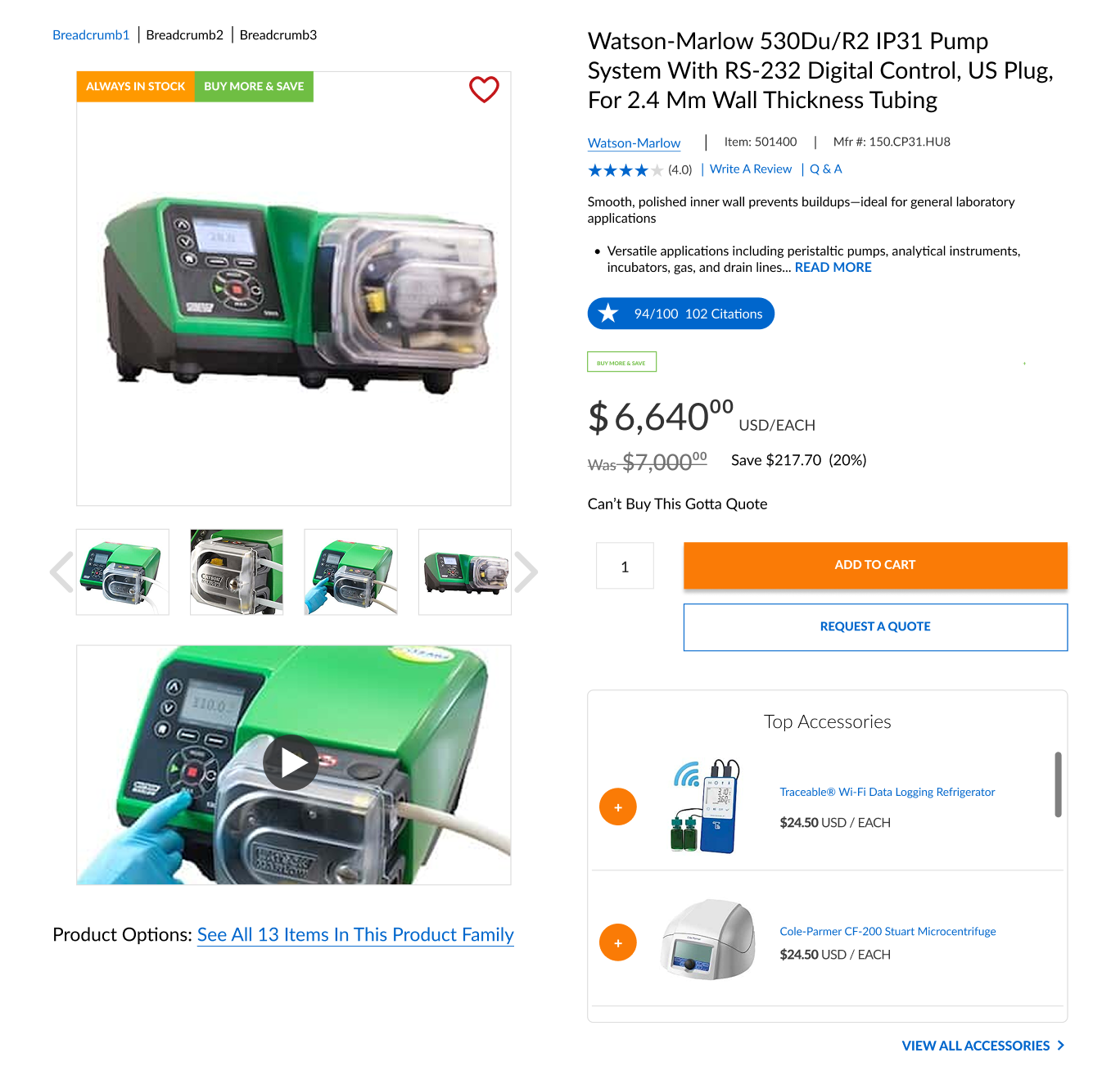
B2B Product Page Redesign
Restructured key product information to support faster decision-making and a more intuitive buying experience.
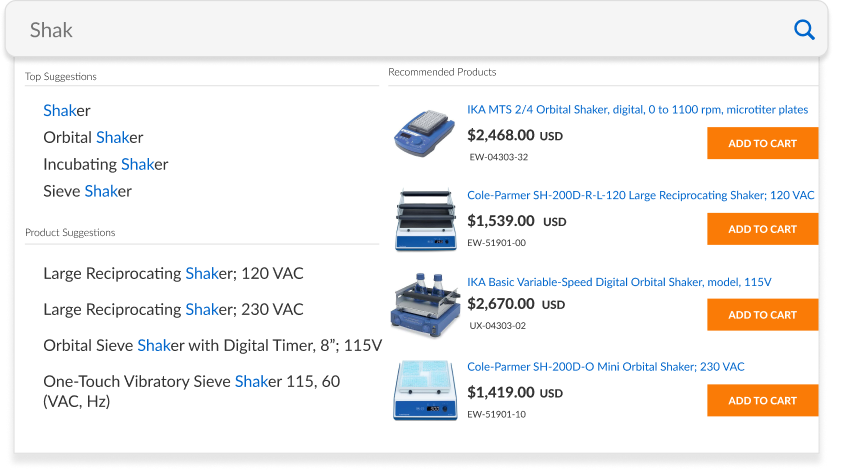
Visual Search for Complex Catalogs
Created a streamlined visual search flow for navigating large, high-SKU catalogs.
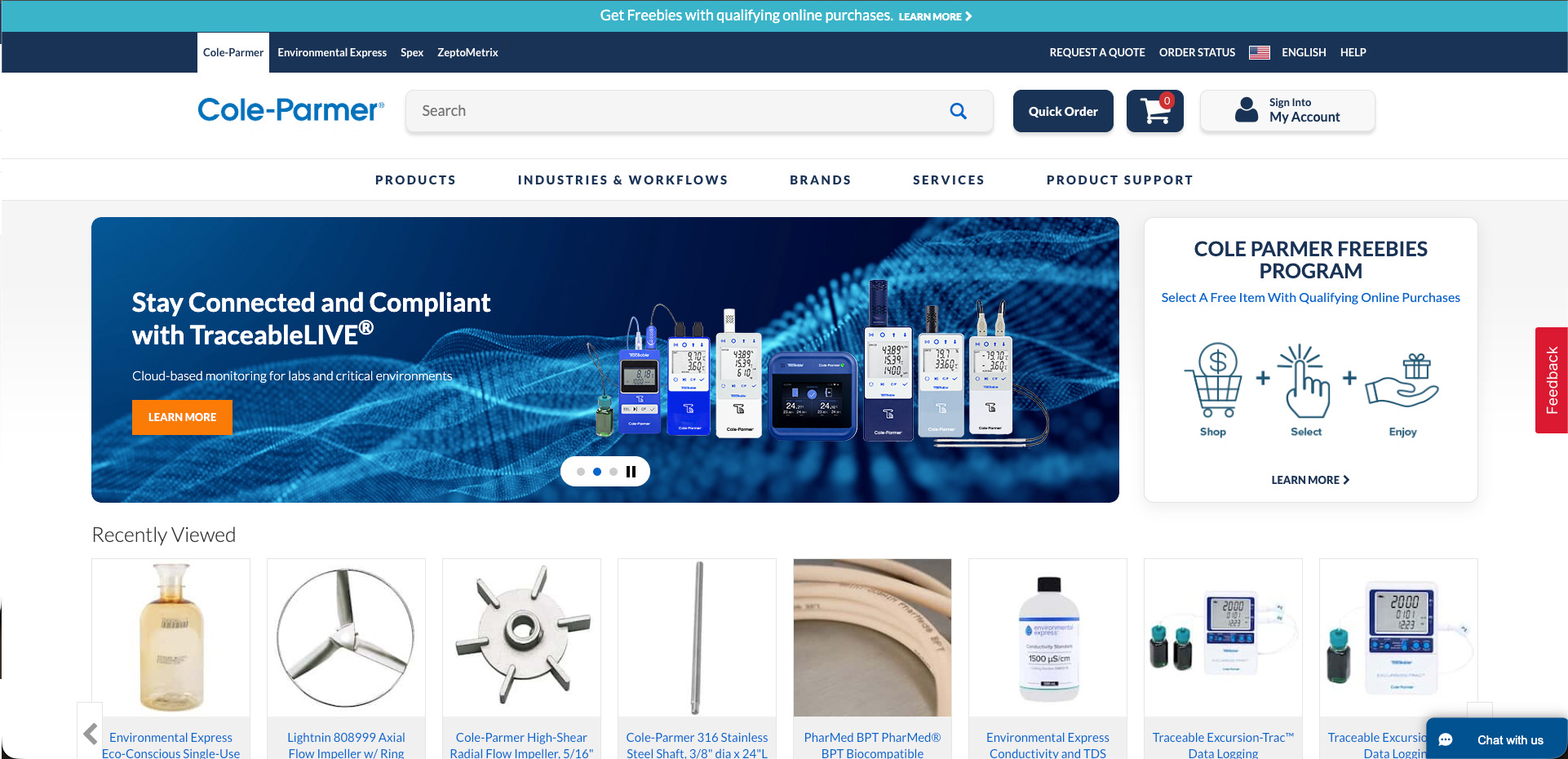
Homepage Redesign
Modernized a legacy homepage to improve clarity, visual hierarchy, and conversion performance for a high-traffic B2B website.

Augmented Reality Interface for NASA
Developed an AR interface prototype for the NASA SUITS competition.